
Chalco Logistics × Suolianda: A Case Study of Alumina Public Transportation Application
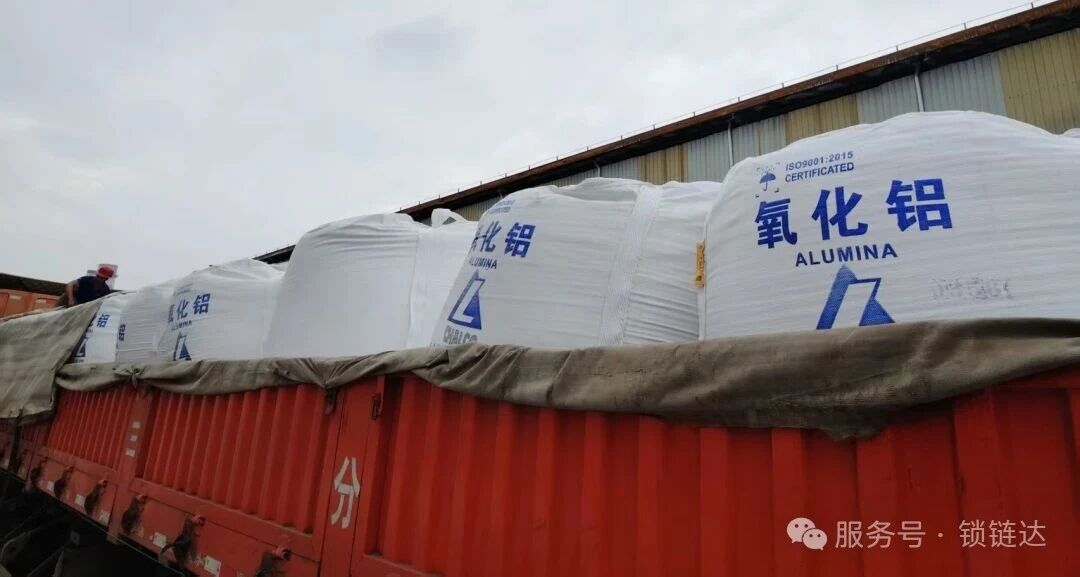
The non-ferrous metals industry is a fundamental sector of the national economy, providing crucial support for strategic emerging industries such as high-end manufacturing, new energy, and electronic information. Its industrial chain is characterized by numerous links and high added value. Logistics, as a core link connecting production and consumption in the industrial chain, directly impacts the supply efficiency, cost control, and competitiveness of the non-ferrous metals industry. Currently, non-ferrous metals logistics faces five core risks:
1. Transportation Risks: Traffic accidents, cargo damage, theft, tampering, delays, or misdelivery can easily lead to logistics disruptions and additional costs;
2. Warehousing Risks: Cargo loss, theft, and inventory backlog/shortage threaten supply chain stability;
3. Overloading Risks: Non-ferrous metals have high density (e.g., copper ingots have a density of 8.96 g/cm³), making traditional vehicles prone to overloading;
4. Information Risks: Data leaks, delayed/erroneous information transmission, and information asymmetry affect decision-making efficiency;
5. Supply Chain Risks: Supplier defaults, demand fluctuations, and external factors such as natural disasters and policy changes may trigger supply chain disruptions.
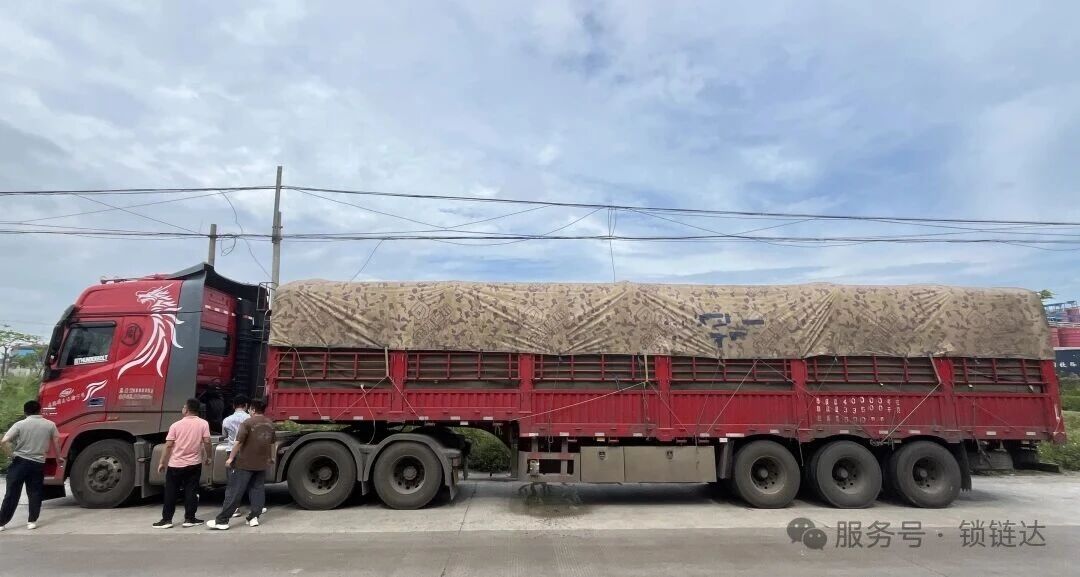
1. Strengthening Cargo Security: "Intelligent Visual Terminal + Closed-Loop Management" for Full-Chain Protection
Addressing risks such as cargo theft, damage, and abnormal control, the platform constructs a three-tiered protection system: "AI Video Lock (BDEL) + AI Inspection Station + Operation Cabinet Closed-Loop," providing end-to-end security for cargo owners and logistics companies.
2. Overcoming Data Efficiency Bottlenecks: "Electronic Media + Data Prediction" Breaking Down Process Barriers
Addressing efficiency pain points such as incompatible internal ERP systems and unpredictable logistics times for upstream and downstream non-ferrous metal enterprises, the platform uses BDEL as the data carrier and big data analytics as a tool to improve process efficiency and optimize timeliness.
3. Reducing Logistics and Transportation Costs: "Resource Sharing + Matching" for Win-Win for All Parties
Addressing issues such as high empty vehicle rates, high management costs for unfamiliar drivers, and high procurement costs in non-ferrous metal logistics, the platform leverages a shared "cargo-capacity" ecosystem and flexible procurement models to help association members and drivers reduce costs together.
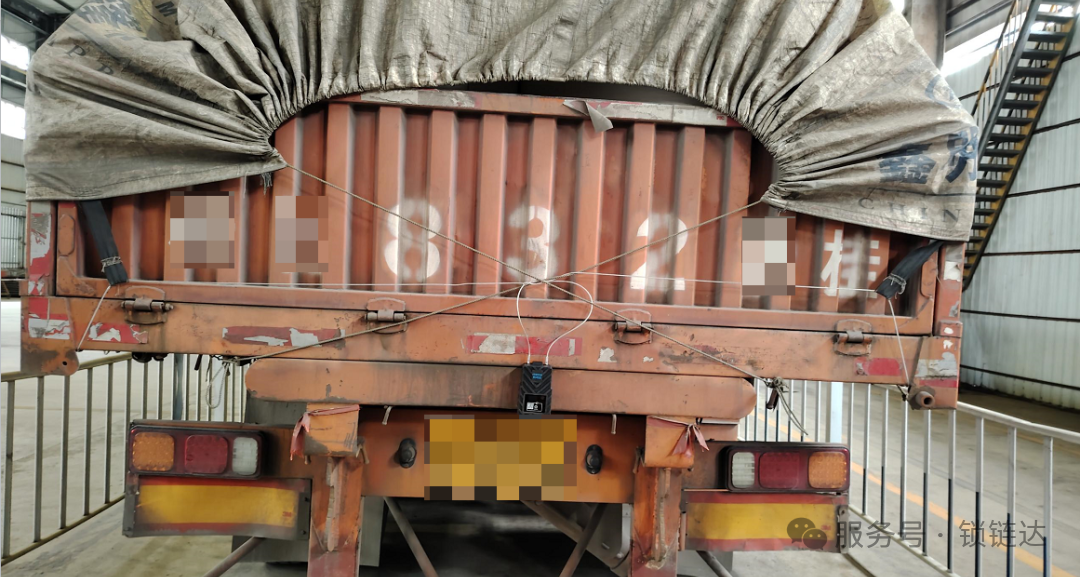
Significant achievements have been made in internal management, transportation structure, warehousing efficiency, supply chain collaboration, and technological innovation:
1. Internal Management Optimization:
A digital intelligent control platform has been built, simplifying operational processes and reducing redundant steps; full-process transportation visibility has been achieved, improving employee skills and service awareness, and significantly reducing the time and error rate of manual handover.
2. Transportation Structure Upgrade:
Breaking down information silos and enterprise information barriers has shortened transportation time by 10%; AI inspection efficiency is 8-10 times higher than manual inspection, loading and unloading waiting time has been reduced from 2.5 hours/vehicle to 1 hour/vehicle, and electronic waybill handover efficiency has increased by 95%, laying the foundation for multimodal transport data sharing.
3. Energy Saving, Consumption Reduction, and Staff Reduction:
Replacing traditional lead seals with a Beidou smart lock + operation cabinet circulation mode has significantly reduced annual consumable costs; each operation point has reduced staff by 2-3 people, saving 6 million yuan annually for 20 operation points in Guangxi alone.
4. Significantly Reduced Cargo Damage and Compensation Rates
Through a solution combining "intelligent terminals + management cloud platform + data services," the entire logistics chain is protected, resulting in a significant decrease in key indicators such as cargo discrepancy rates and freight safety accident rates, thus ensuring transportation safety.
In the future, the team will further improve the platform's technical functions, conduct logistics data mining, and develop and build different regulatory models based on the personalized needs of different clients. Simultaneously, it will apply digital and intelligent technologies, fully integrating them with quality services, to create a professional, authentic, and comprehensive "trustworthy data chain" around key links in the industrial and supply chains. This will provide governments, manufacturers, traders, and consumers with comprehensive, integrated quality technology services, striving to make the non-ferrous metals logistics safety risk intelligent management and sharing platform truly become the most relied-upon comprehensive service platform for logistics safety risk management for clients, safeguarding the high-quality development of the non-ferrous metals system.