I. Project Background
Key challenges in smart sluice gate supervision:
1、 Front-end perception is highly susceptible to environmental interference, exhibiting insufficient recognition accuracy and data reliability, coupled with excessive system dependence on network connectivity and inadequate offline adaptation capabilities.
2、 Insufficient coordination exists in sluice gate control with in-transit operations, terminal stations, and business processes, resulting in significant gaps in end-to-end supervision and preventing seamless integration throughout the entire workflow.
3、 Cross-departmental and cross-regional data barriers are prominent, making information interoperability and mutual recognition difficult, and preventing the formation of a complete closed-loop evidence chain.
4、 The business rule configuration lacks flexibility, resulting in inefficient anomaly handling, high equipment maintenance costs, and poor on-site implementation adaptability.
5、 There exists a disconnect between cloud-based centralized supervision and on-site implementation, making it difficult to achieve efficient, closed-loop, and traceable integrated smart supervision.
II、 Construction objectives
Built upon intelligent logistics locks, operational cabinets, vehicle controllers, and readers, this system effectively mitigates risks of theft, tampering, and loss during transportation and gate passage, strengthening logistics security and compliance oversight. Through automated identification, contactless gate passage, and remote control, it achieves intelligent passage management that replaces manual verification, enhances gate throughput and terminal efficiency, and reduces congestion and human errors. A full-process traceability system collects and records information on vehicles, cargo, unlocking/unlocking operations, and movement trajectories, creating a closed-loop monitoring mechanism that ensures traceable origins, trackable destinations, and accountable responsibilities. The system establishes risk alert mechanisms for abnormal passage, unauthorized unsealing, and detour-based cargo exchange, enabling proactive prevention and real-time control to upgrade regulatory models. By breaking down data silos across departments and systems, it facilitates data interoperability and collaborative oversight, significantly improving regulatory effectiveness and control capabilities.
III. Project Proposal
Application Framework
.png)
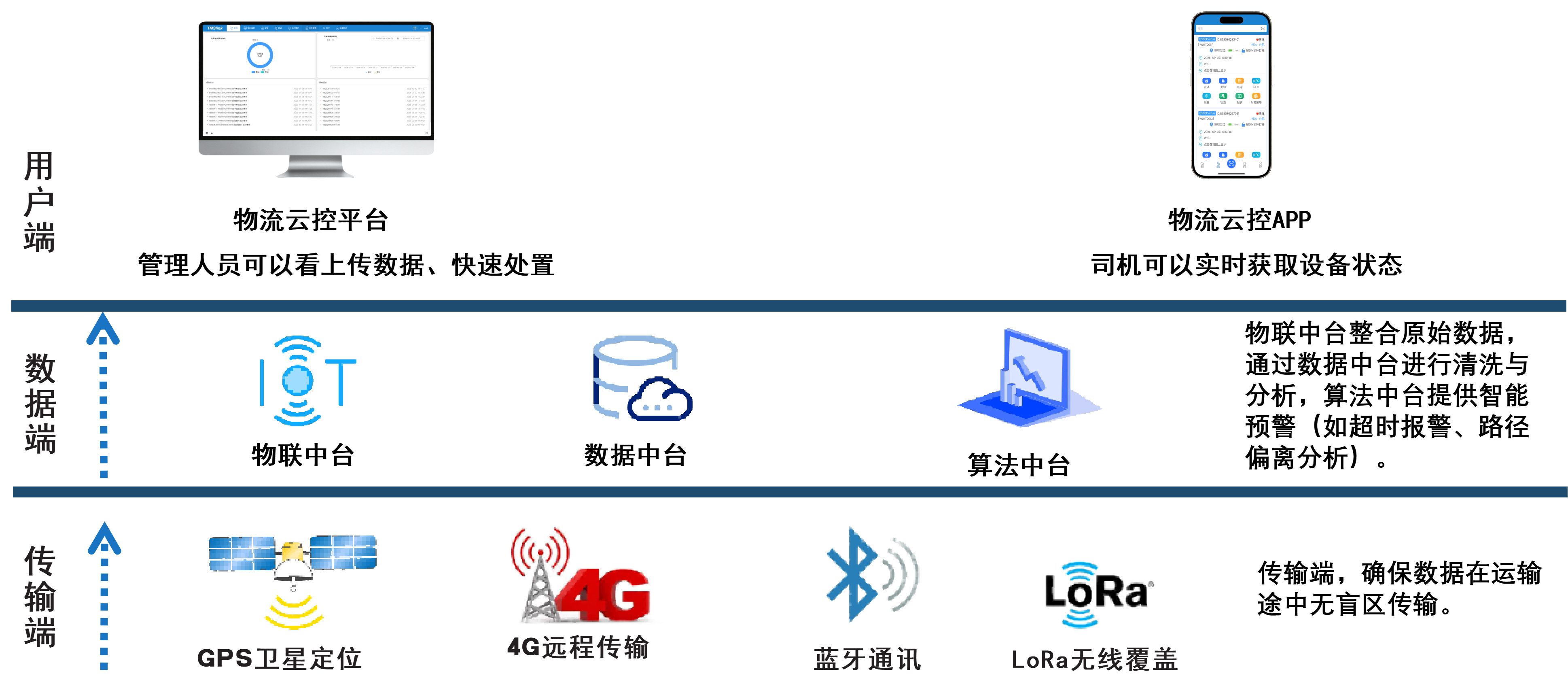
Technical Architecture of Cloud Control Platform
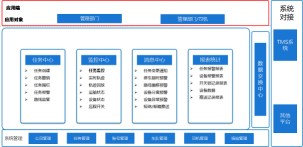
IV. Cloud Gateway Application Scenarios
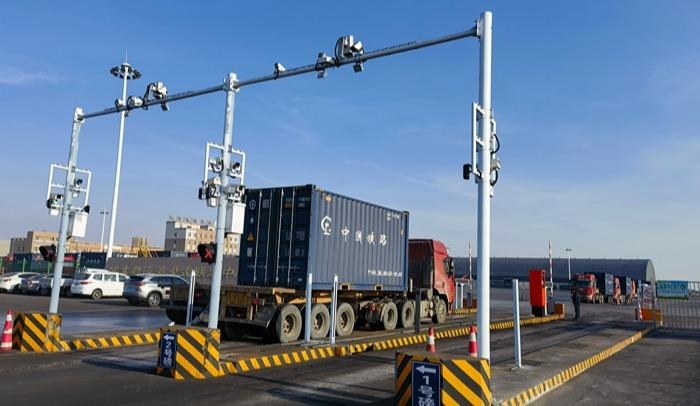
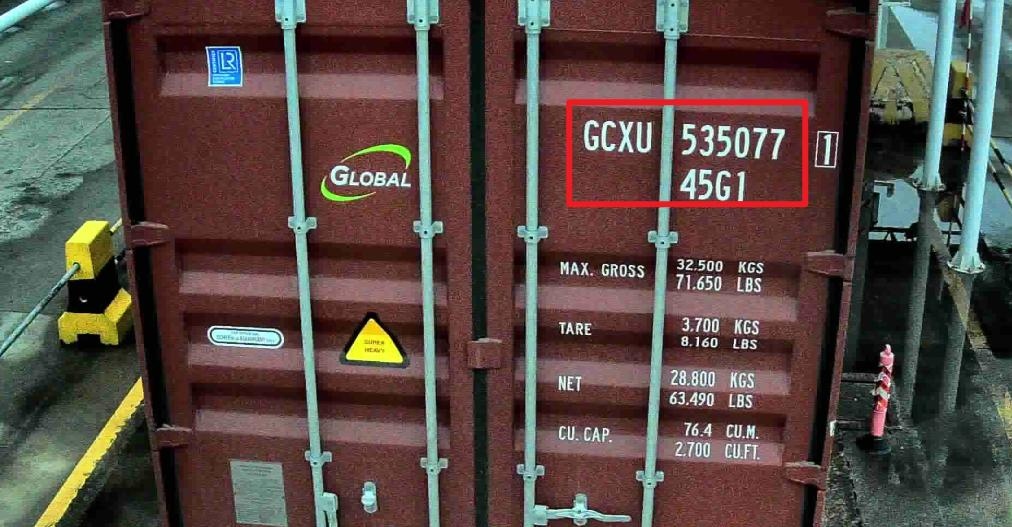
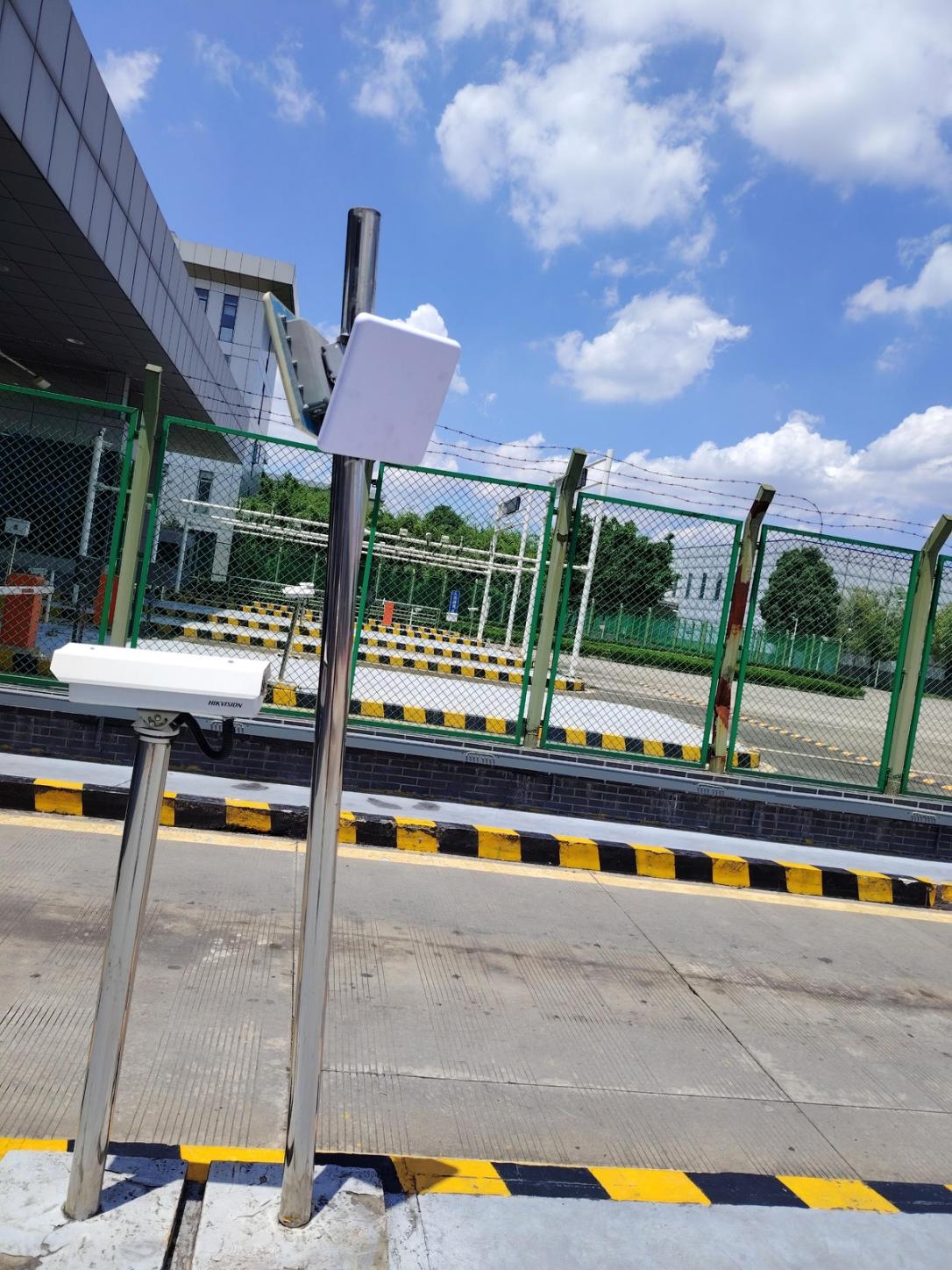
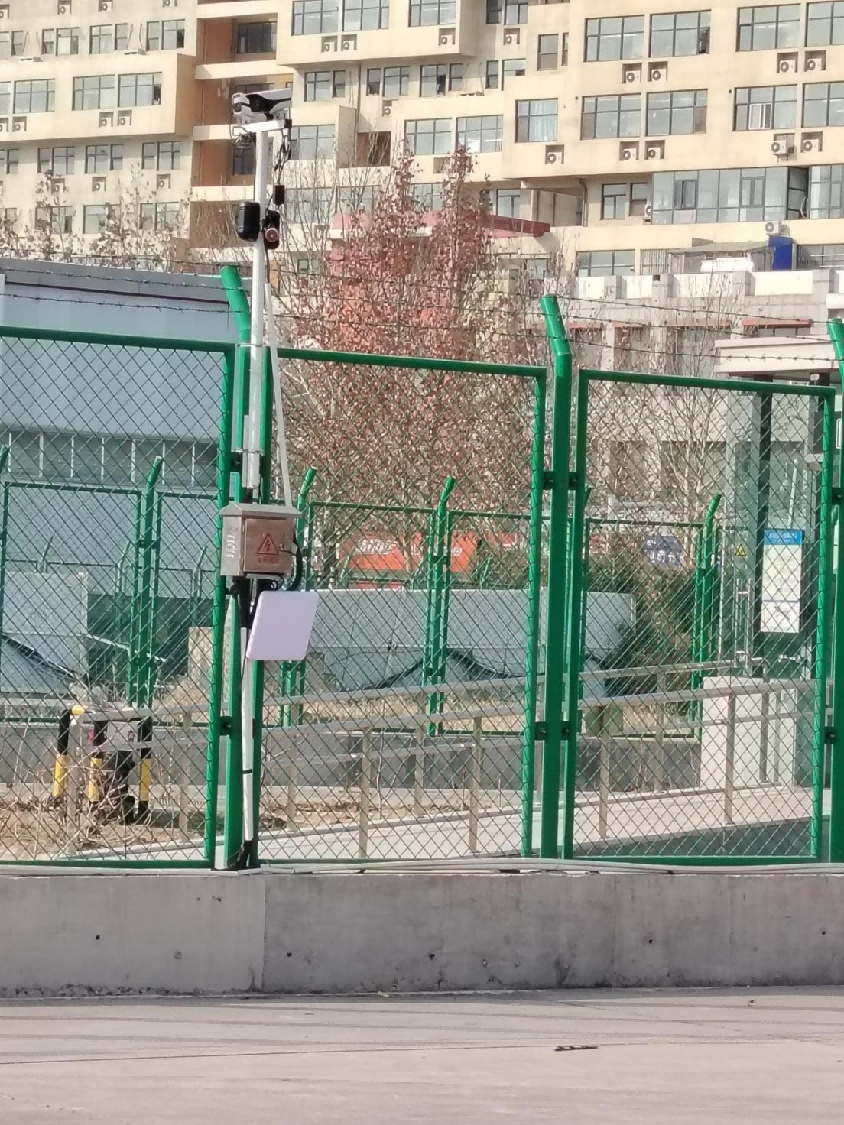
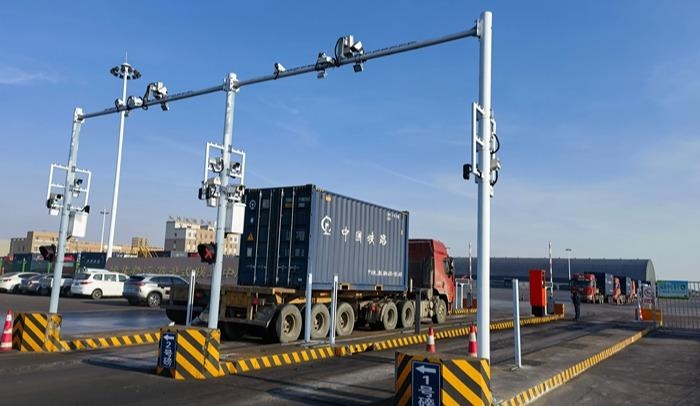
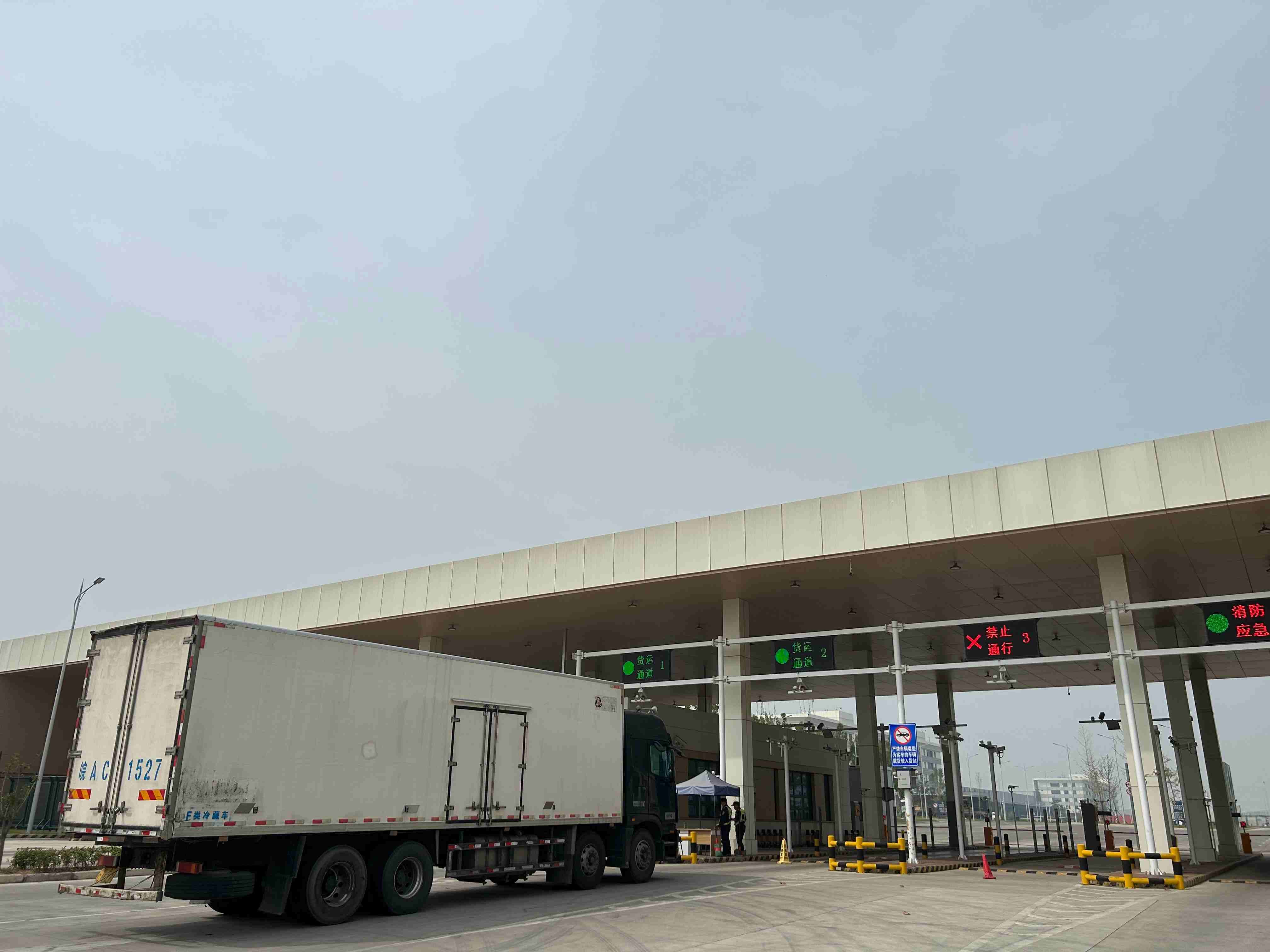
Core regulatory capabilities: automatic container number recognition, automatic release, and automatic weighing
System Advantages: Single-lane throughput capacity>120 vehicles/hour, end-to-end encrypted data transmission, and stable operation under harsh environmental conditions
Customer Value: Improve clearance efficiency, reduce manual inspections, lower regulatory risks, and achieve unmanned operations
.jpg)
1、 Tarpaulin integrity: The system automatically identifies tarpaulin status and triggers real-time alerts for damage, displacement, or uncovered areas to prevent cargo spillage, theft, or tampering.
2、 Lock status: Real-time monitoring of smart lock locking, unlocking, and abnormal opening states to prevent illegal lock-breaking, unauthorized lock replacement, and other violations.
3、 Weight Recognition: By comparing the weight of goods before and after intelligent weighing, it automatically alerts for abnormal fluctuations, effectively preventing issues such as unloading, adulteration, and theft.
V. Flowchart of Cloud Gate
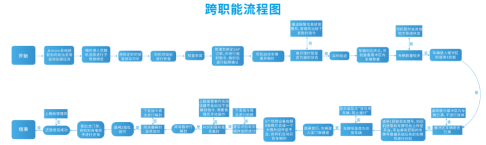
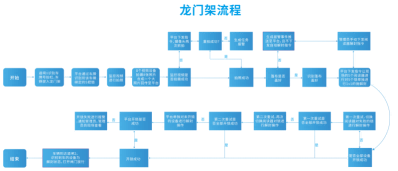
VI. Application Flowchart
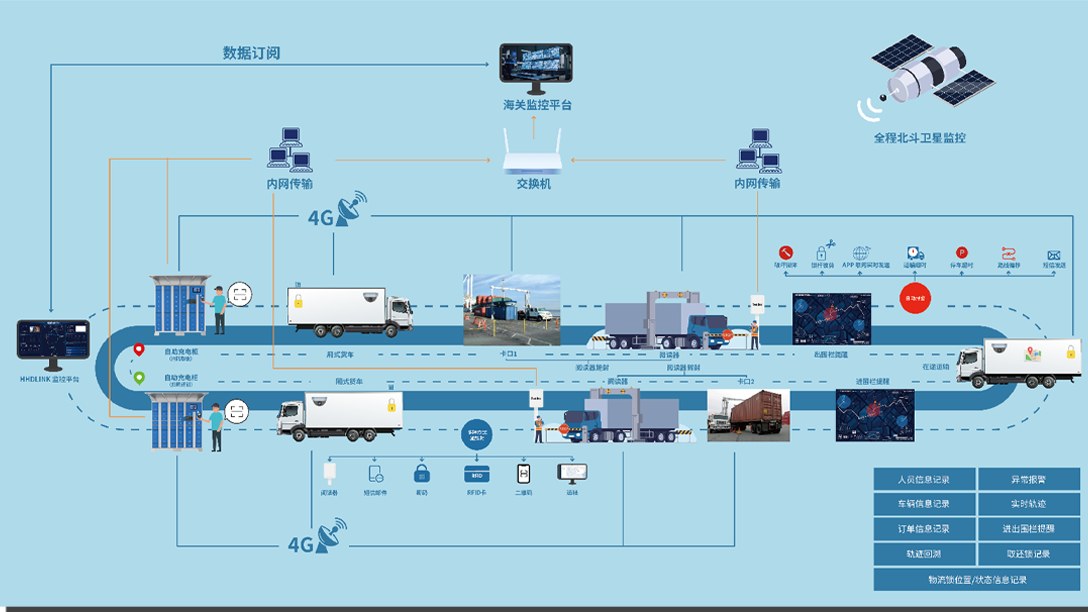
VII. Application Products
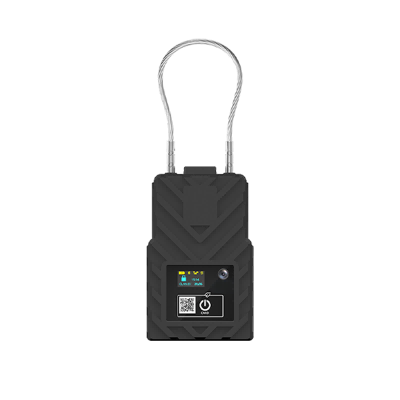
G-508V Intelligent Logistics Lock:
1、 Supports 200W HD camera photography, remote snapshot capture, and video surveillance functions
2、 Supports NFC, mobile apps, remote access, and e-reader unlocking
3、 Supports multi-mode positioning via GPS, Beidou, and base stations
4、 Supports lock body tamper alarm and abnormal alarm
5、 The OLED display can show battery level, lock status, and signal status.
6、 The battery life ranges approximately from 7 to 180 days.
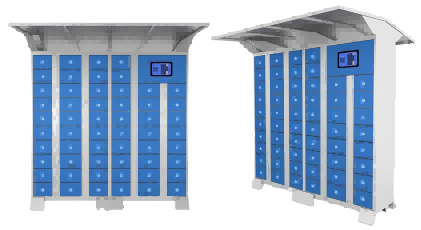
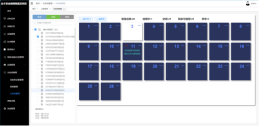
W-1000 Intelligent Operations Cabinet:
1. Dimensions: Standard dimensions are 850mm × 1720mm × 580mm (width × height × depth), with a hatch opening measuring 220mm × 120mm and internal dimensions of 240mm × 140mm × 450mm (width × height × depth).
2. Installation method: Equipped with built-in casters, it can be secured using M18 foot cups (with a load capacity of 500KG) and explosion-proof screws, suitable for installation both indoors and outdoors.
3. Basic Specifications: Protection rating IP54, design life>5 years, material composed of 0.8mm cold-rolled steel plate, surface treated with eco-friendly powder coating (default light gray cabinet body + blue cabinet door, customizable).
Shared rental model
① Temporary third-party vehicles are adapted to short-term and sporadic transportation needs, providing daily rental services for smart locks.
No long-term investment required, on-demand usage, significantly reducing equipment costs for temporary transportation
② Long-haul transport vehicles, specifically for fixed and long-term cooperative transport fleets,
We offer various long-term leasing options including monthly, quarterly, and annual leases. The longer the lease term, the more pronounced the cost advantage becomes.
VIII. Project Benefits
.jpg)
Significant improvement in throughput efficiency: Achieving automatic vehicle identification, contactless gate passage, and remote release, reducing manual intervention and on-site queuing, thereby substantially enhancing station throughput speed and turnover efficiency.
The entire regulatory process is traceable and closed-loop: comprehensive documentation and real-time monitoring of vehicles, goods, personnel, and lockdown/unlock status are implemented to establish a complete evidence chain, effectively preventing risks such as substitution, smuggling, and unauthorized detours.
Enhanced centralized and intelligent management: unified equipment management, cloud-based rule configuration, and automated anomaly alerts reduce on-site labor input while minimizing human operational errors and management loopholes.
Enhanced cross-departmental collaboration: Facilitate data interoperability across multiple systems to achieve information sharing, joint business review, and mutual recognition of results, thereby improving joint regulatory oversight and emergency response capabilities.
Dual reduction in operational and safety costs: Decrease in labor monitoring, paper documentation, and on-site inspection expenses, while minimizing potential losses from cargo loss, regulatory violations, and safety incidents through precise control measures.
Enhanced scenario adaptability: Supports offline emergency access, complex environment recognition, and remote operation and maintenance, meeting the high-intensity and high-reliability operational demands of various scenarios including mines, customs ports, and bonded parks.