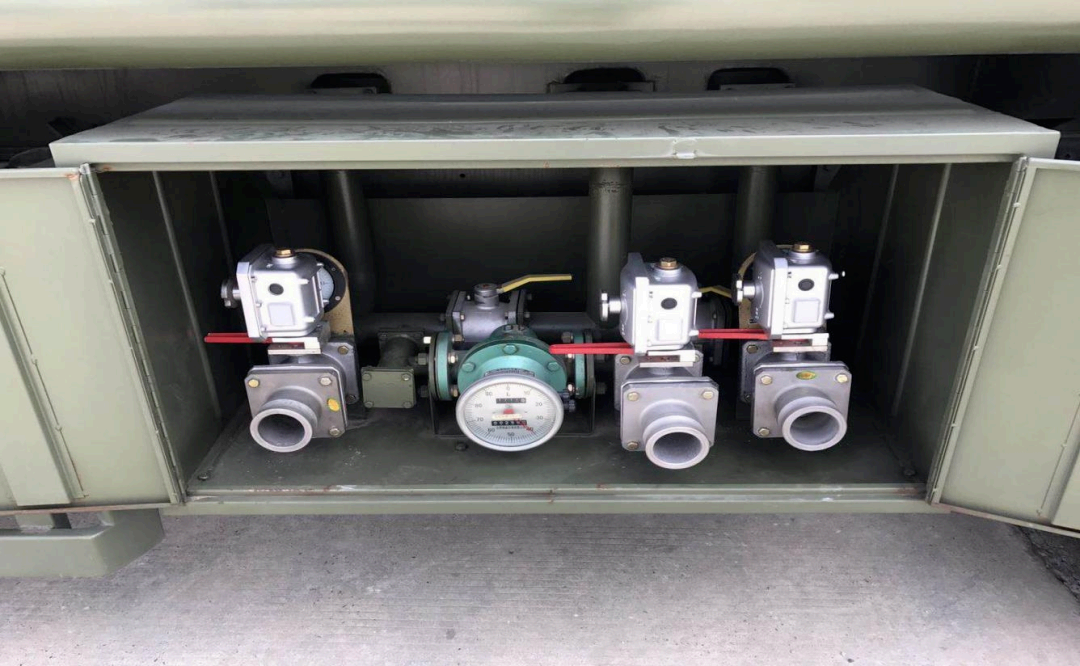
Pain Points of Traditional Oil Transport
1.Traditional methods lack real-time status updates, leading to low management efficiency and vulnerability to loopholes.
2.Oil collection points have a low level of digitalization, with the loading process being manual and lacking technical security measures.
3.There is no real-time oversight or process traceability. The lack of online liquid level monitoring devices makes it difficult to accurately track tank levels and their trends, hindering a manager's ability to understand production status and schedule transport tasks.
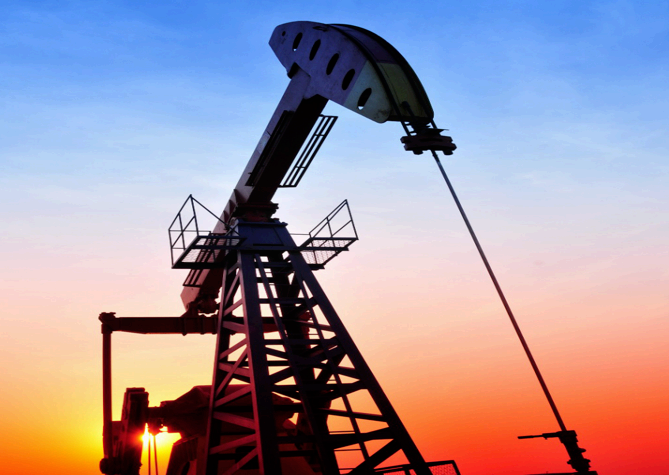
Project Goals
To provide comprehensive, real-time, and multi-dimensional intelligent control over the entire oil and gas transport and storage process.
To facilitate the transition of logistics management from an extensive model to a refined and meticulous one.
To lower the risk of oil theft, enabling oil fields to reduce costs, boost efficiency, and enhance their digital and refined management capabilities.
Implementation Plan
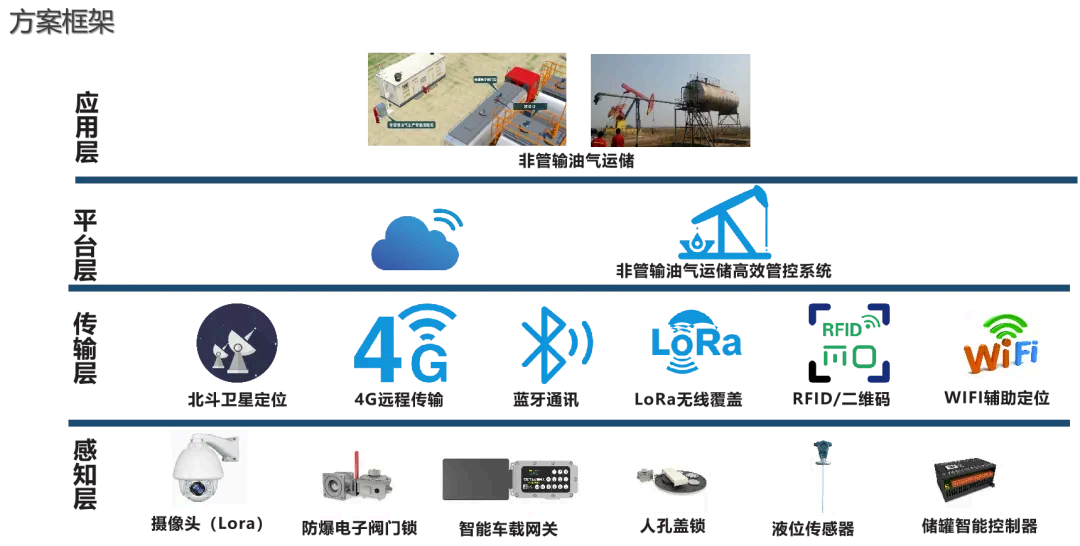
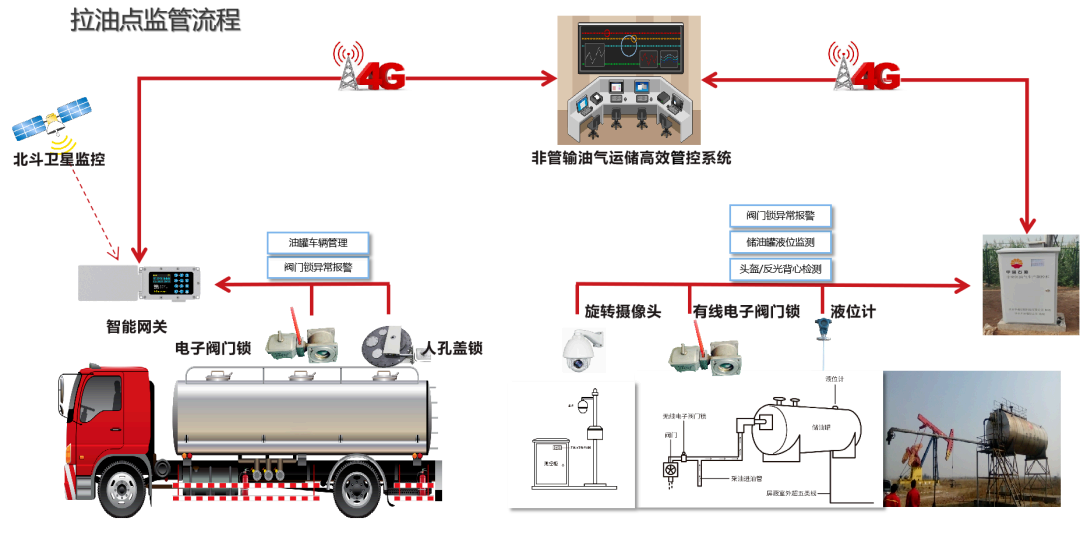
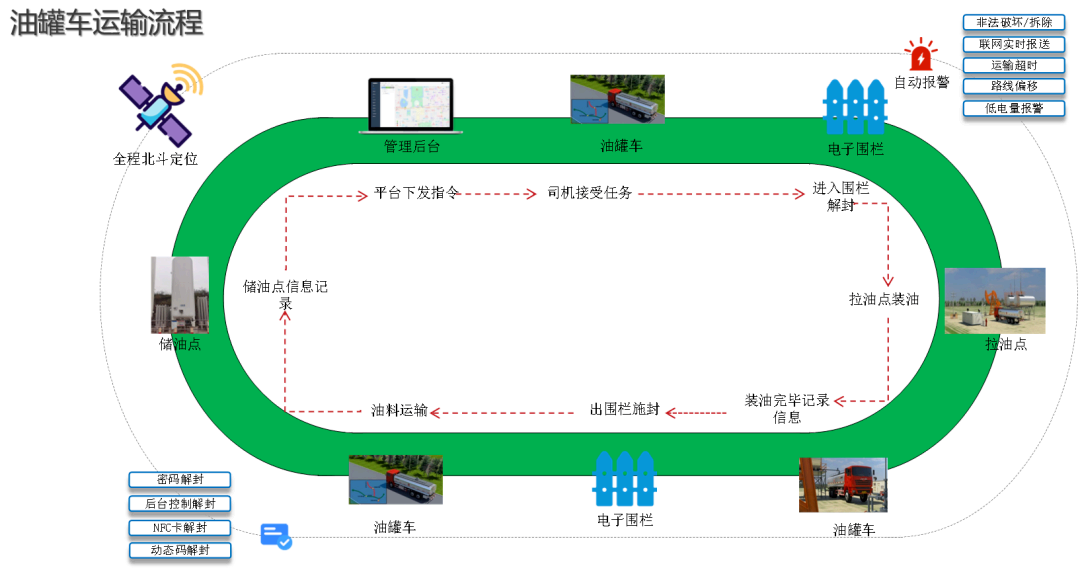
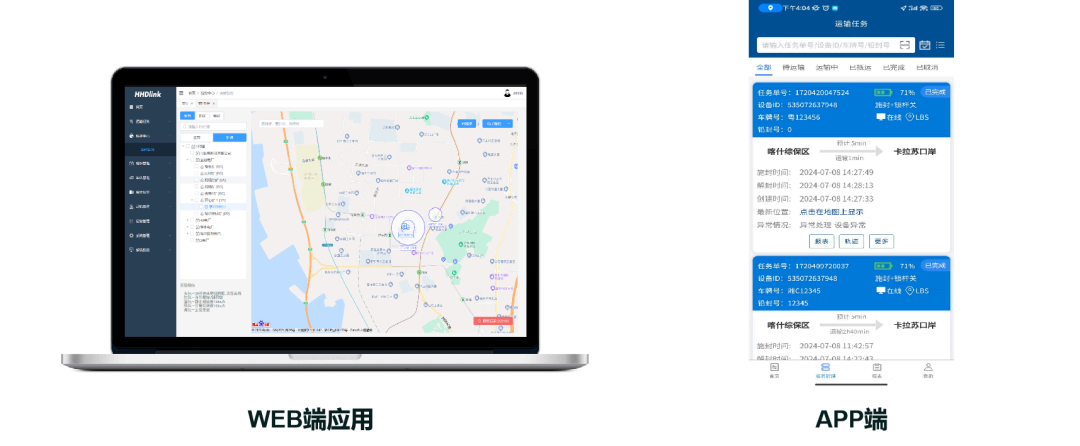
1. Log and Report Management:Liquid level and temperature trend analysis,Operational statistics,Lock status reports,Anomaly alerts for liquid levels, locks, and unauthorized operations,Tamper alerts and unsealed/unlocked alerts,Central control fault alerts,System user activity logs.
2. Route and Trajectory Management:This feature provides a map-based interface to search and play back the route history for any vehicle over a specified time period. Playback features include pausing, marking points, and filtering by vehicle speed.
Oil Terminal Monitoring and Management:This feature provides tank information management with a real-time display of all relevant tank data. This includes,Tank name and location,Connection status,Liquid level and pressure,Gas supply pressure,Temperature and leakage value,Status (Normal, Abnormal, Offline),Historical monitoring data.
4. Video Surveillance:The system provides video surveillance for real-time detection during tank truck loading, which automatically creates loading records. It can also perform safety compliance checks on drivers (e.g., verifying helmet use), with records immediately sent to the central platform.
Installation Diagram